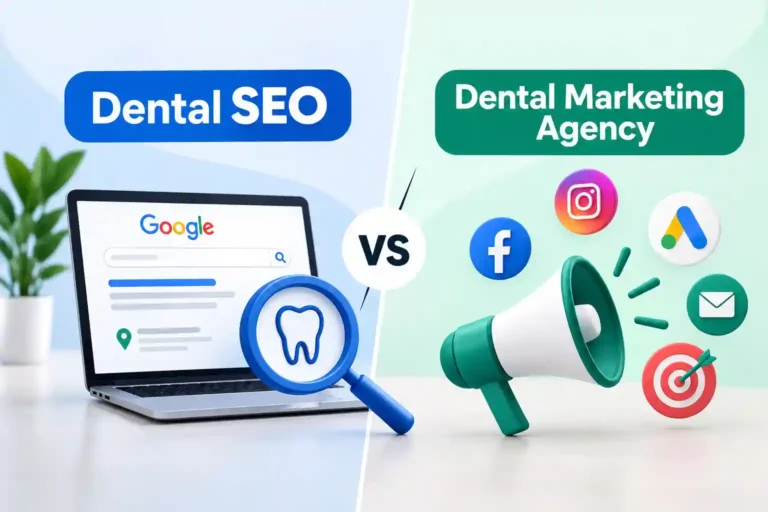
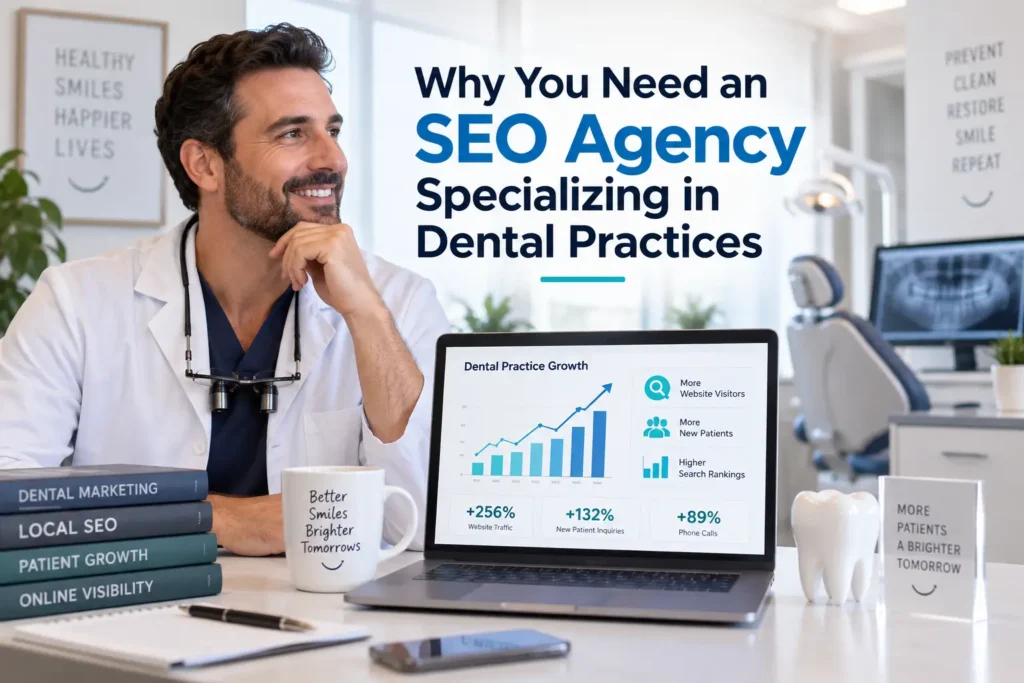
Hiring a general marketing agency to run SEO for your dental practice is a bit like hiring a general contractor to do orthodontic work they might get some things right, but they’re missing years of industry-specific knowledge that actually moves the needle. That’s the core reason more practices are turning to an SEO agency specializing in dental practices instead of a generalist firm.
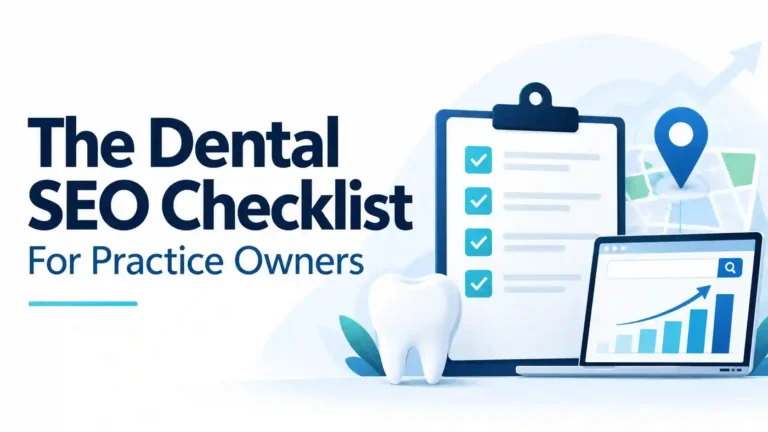
If you’re new to the topic, our guide on what dental SEO is covers the fundamentals before you dive into why specialization matters.
This guide breaks down exactly why a dental-specialized SEO agency outperforms a general one, what it does differently day to day, and how to know it’s the right move for your practice.
Why Specialization Matters in Dental SEO
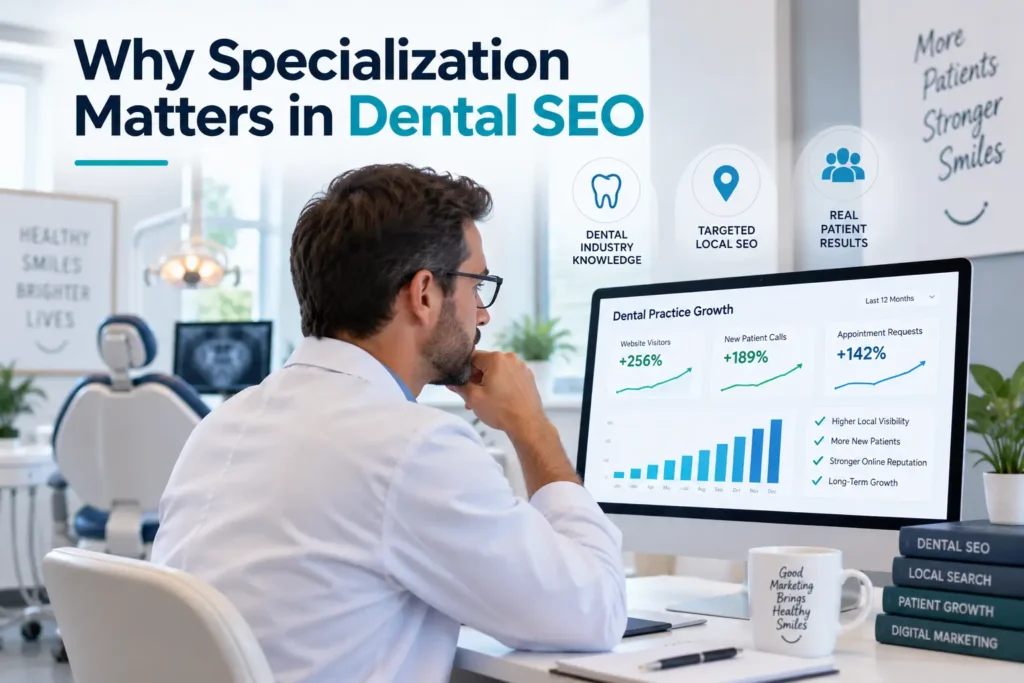
Google treats dental and healthcare websites as YMYL (Your Money or Your Life) content meaning accuracy, trust, and credibility signals carry more weight than they do for most other industries. A generalist agency that also handles restaurants, law firms, and e-commerce stores usually isn’t built around these requirements. Dental SEO experts who work only with practices are, because it’s the only type of client they serve.
Specialization shows up in practical ways:
- Keyword research built around real patient search behavior procedure names, insurance questions, symptom-based searches (“tooth pain,” “chipped tooth”)
- Content that satisfies E-E-A-T with dentist-reviewed information, credentials, and clear authorship
- Compliance awareness around patient privacy in forms, chat widgets, and content
- Local SEO tactics tuned to how patients actually choose a dentist proximity, reviews, insurance acceptance, and appointment availability
What a Specialized Dental Marketing Agency Does Differently
Compared to a general marketing firm, an agency specializing in SEO for dental practices typically brings:
- Pre-built dental content frameworks for common services (implants, Invisalign, emergency care, pediatric dentistry) instead of starting from scratch
- Established relationships with dental directories and citation sources, which speeds up local SEO and link building
- Experience with dental-specific website platforms and booking integrations
- Benchmarks from other dental clients, so they know what “good” traffic, ranking, and conversion numbers actually look like for your industry
- Faster ramp-up time no learning curve spent figuring out how dental patients search or what compliance concerns apply
For a deeper look at what this type of agency covers day to day, see our full breakdown of what a dental practice SEO agency does.
Signs a Generalist Agency Isn’t the Right Fit
Watch for these warning signs if you’re currently working with, or considering, a non-specialized agency:
- They ask you to explain basic dental terminology or procedures they should already understand.
- Their content reads generically and doesn’t mention specific procedures, insurance nuances, or patient concerns.
- Reporting focuses only on traffic and rankings, not new patient calls or appointment bookings.
- They apply the same SEO playbook to your practice as they do to unrelated industries.
- They’re unfamiliar with dental-specific ranking factors like review generation, provider credential pages, or local pack visibility for dental searches.
How to Evaluate an SEO Agency for Dental Practices
When comparing agencies that claim to specialize in dental SEO, look for:
- Real dental client case studies, ideally with before/after ranking or new patient data
- A content strategy built around dental procedures and patient questions, not generic blog topics
- Local SEO expertise, since most dental searches are hyper-local (“dentist near me,” “[city] dentist”)
- Transparent, dental-relevant reporting tied to calls and bookings
- References from other practices, ideally similar in size to yours
Avoid any agency specialized or not that guarantees specific rankings. No agency can guarantee Google’s exact placement, and that promise is a common red flag.
Final Thoughts
Choosing an SEO agency specializing in dental practices means working with a team that already understands your patients, your compliance concerns, and what actually drives new appointments instead of paying for a generalist agency’s learning curve. The result is typically faster results, more relevant content, and reporting that reflects what matters to your practice: new patients, not just traffic.
If you want to see how your current SEO compares to a dental-specialized approach, a free SEO audit is the easiest way to find out.